
Genome Instability & Disease Volume 6. Issue 4 简介
1. Transcript levels of cellular senescence marker genes are increased based on high expression of gasdermin family of genes in breast cancer | Caglar Berkel
Cellular senescence and pyroptosis are both pro-inflammatory processes, but their interplay in breast cancer remains unclear. Dr. Caglar Berkel from Tokat Gaziosmanpaşa University (Turkey) analyzed breast cancer transcriptomic datasets and found that tumors with high expression of gasdermin genes—particularly GSDMD and GSDME—also exhibited significantly elevated transcript levels of key senescence markers (p21, p16, and p53). This positive correlation between gasdermin expression and senescence markers was stronger in malignant tissues than in adjacent non-malignant breast tissues. These findings suggest a close association between pyroptosis and senescence in breast cancer, although whether one process drives the other or they are co-regulated requires further investigation.
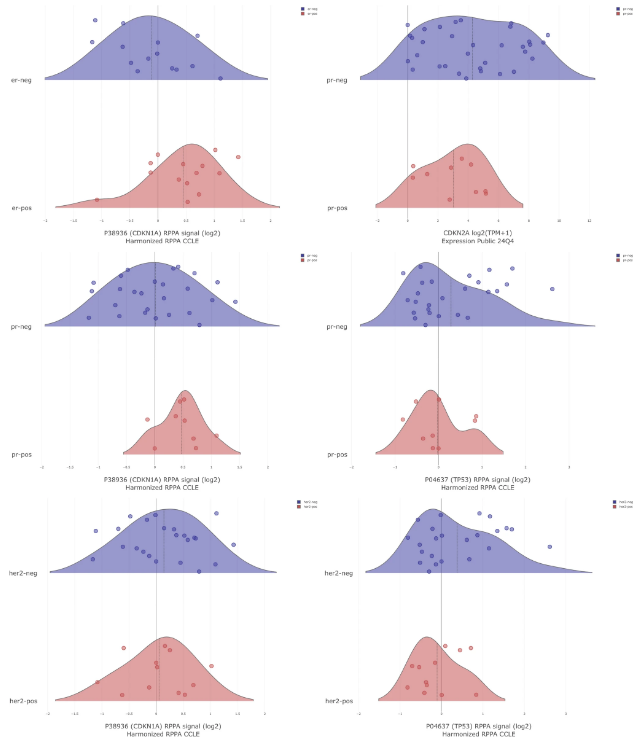
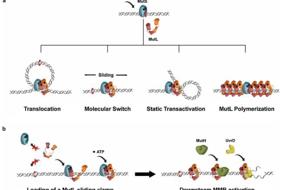
Expression of cellular senescence marker proteins and gasdermins (GSDMD, GSDME) in breast cancer cell lines stratified by ER, PR, and HER2 status.
细胞衰老与细胞焦亡是两种具有促炎特征的细胞状态,但它们在乳腺癌中的相互关系尚不明确。土耳其Tokat Gaziosmanpasa大学的Caglar Berkel博士通过分析乳腺癌基因表达数据发现,高表达gasdermin(尤其是GSDMD和GSDME)的肿瘤组织,其细胞衰老标志物(p21、p16、p53)的转录水平也显著更高,且这种关联在肿瘤组织中比在正常组织中更强。这表明在乳腺癌中,细胞焦亡与细胞衰老过程可能存在密切的相互作用。然而,两者间的具体因果调控关系,或是否存在共同的上游通路,仍有待进一步的机制研究来阐明。

Dr. Caglar Berkel
全文链接:https://link.springer.com/article/10.1007/s42764-025-00162-y
2. Small RNA profiling and identification of Boerhaavia diffusa miRNAs with potential HepatoCellular Carcinoma gene targets | Nandan Dixit, Harsha Motwani, Hitesh A. Solanki, Vishal Nanavaty, Rakesh M. Rawal & Saumya K. Patel
Plant-derived microRNAs can influence human gene expression through cross-species regulatory mechanisms. Here, Dr. Saumya K. Patel and colleagues at Gujarat University (India) used high-throughput sequencing to identify 27 novel miRNAs and 3,325 conserved miRNAs from the root of the medicinal plant Boerhaavia diffusa, then predicted their human gene targets. They found that four of the novel miRNAs potentially target key hepatocellular carcinoma–associated genes (e.g., MAPK14, RB1, YAP1, CDK6) and are enriched in cancer-related pathways such as MAPK and p53 signaling. This work uniquely reveals B. diffusa’s potential in cross-species regulation of human gene expression, offering new insights into the plant’s pharmacological mechanisms.
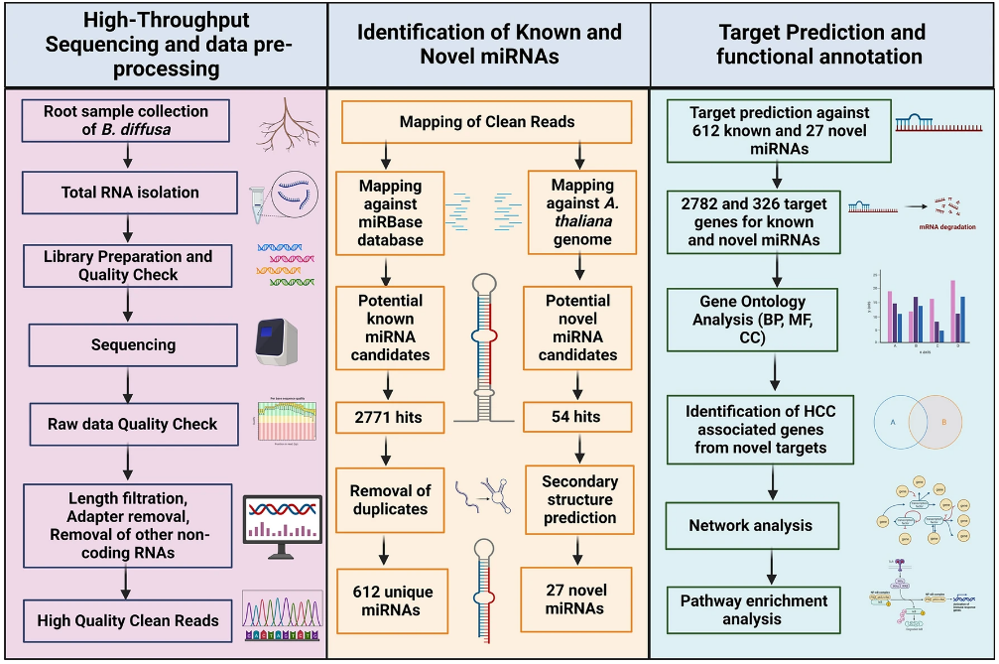 Workflow for high-throughput identification and functional annotation of Boerhaavia diffusa miRNAs. (Left) Sample collection and RNA-seq preprocessing: root harvesting, RNA isolation, library preparation, sequencing, quality control, and adapter/length filtering. (Center) miRNA discovery: clean reads mapped to miRBase and the Arabidopsis thaliana genome; duplicate removal and secondary-structure prediction yielded 612 known and 27 novel miRNAs. (Right) Target prediction and annotation: in silico pairing of 612 known and 27 novel miRNAs to human genes, Gene Ontology enrichment (BP, MF, CC), identification of hepatocellular-carcinoma–associated targets, network construction, and pathway enrichment analysis.
有研究表明,植物来源的microRNAs可通过跨物种调控机制影响人类基因表达。来自印度Gujarat大学的Saumya K. Patel博士团队通过高通量测序技术,从药用植物Boerhaavia diffusa的根茎鉴定出27个新型miRNA和3325个保守miRNA,并预测其可能靶向的人类基因。进一步分析发现,其中4个新型miRNA可靶向与肝细胞癌发生相关的关键基因(如MAPK14、RB1、YAP1、CDK6),并富集于MAPK、p53等癌症相关信号通路。该发现首次揭示了Boerhaavia diffusa在跨物种调控人类基因表达方面的潜力,为理解这种药用植物的药理作用提供新视角。

Dr. Saumya K. Patel
全文链接:https://link.springer.com/article/10.1007/s42764-025-00163-x
3. Population genetic profiling of Rac1 via GnomAD informs miRNA-Driven precision targeting for treatment-resistant hypertension and malaria | Selassie Louis Ameke, Kwadwo Fosu, Lucas Amenga-Etego, Kwabena Amofa Nketia Sarpong & Samuel Kojo Kwofie
The Rac1 gene plays a critical role in both treatment-resistant hypertension and Plasmodium invasion of red blood cells. Now, Prof. Samuel Kojo Kwofie and colleagues at the University of Ghana have used the gnomAD database to analyze Rac1 genetic variation across global populations and found that Rac1 is extremely intolerant to loss-of-function mutations—indicating that direct inhibition could carry significant toxicity risks. They also identified population-specific variants in Rac1’s untranslated regions (UTRs), especially at higher frequencies in African populations, which may be amenable to miRNA-based targeting strategies. This study underscores the genetic constraint risks of Rac1 as a drug target, proposes a precision-modulation approach via UTR-targeted microRNAs, provides genetic evidence supporting new therapies for resistant hypertension and malaria, and highlights the importance of accounting for population genetic diversity in drug development.
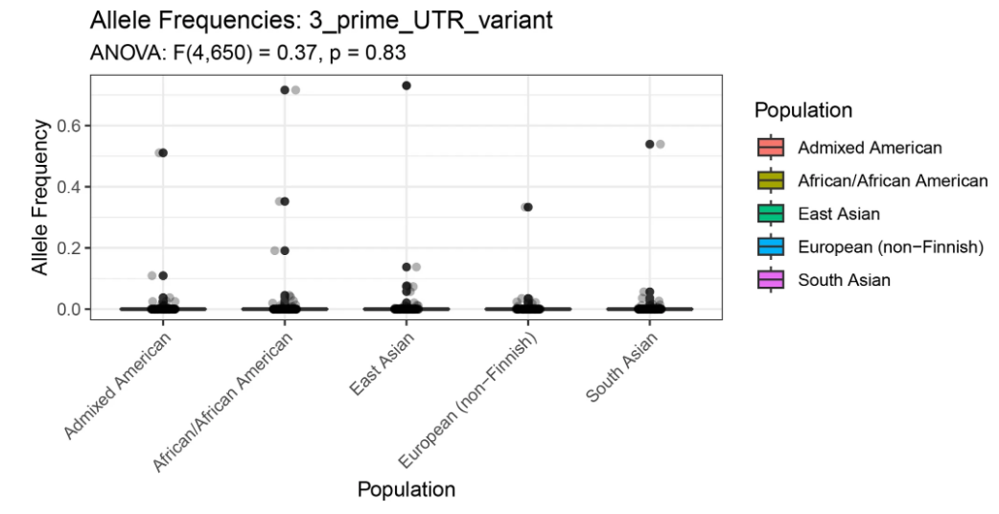
Allele frequencies of the Rac1 3′ UTR variant across five major populations
Rac1基因在治疗抵抗性高血压和疟原虫入侵红细胞过程中均发挥关键作用。加纳大学的Samuel Kojo Kwofie教授团队利用gnomAD数据库,分析了Rac1在不同人群的遗传变异情况,发现Rac1对功能缺失突变表现出极强的不耐受性,提示直接抑制可能带来毒性风险;同时他们还发现UTR区域有一些人群特异的变异,特别是在非洲人群中频率较高,这可能为miRNA靶向治疗提供了机会。该研究揭示了Rac1作为药物靶点的遗传约束风险,提出通过靶向UTR区域进行microRNA精准调控的创新策略,为开发治疗抵抗性高血压和疟疾的新型疗法提供了重要遗传学依据,并强调了在药物研发中考虑人群遗传多样性的必要性。
 Prof. Samuel Kojo Kwofie
全文链接:https://link.springer.com/article/10.1007/s42764-025-00164-w
4. Cross- and intra-kingdom miRNA-mediated transcriptomic regulation by Conocarpus erectus L.: a novel insight into genome stability, epigenetic control, and neurodegenerative pathways | Poojaben Prajapati, Tithi S. Trivedi, Bharat B. Maitreya, Rakesh M. Rawal & Saumya K. Patel
The medicinal plant Conocarpus erectus is an important source of traditional medicine. In their latest study, Dr. Poojaben Prajapati and colleagues at Gujarat University (India) used a computational biology approach to identify 30 novel miRNAs from the C. erectus transcriptome and predict their potential targets in both humans and Arabidopsis thaliana. Their analysis indicated that these plant miRNAs might affect human genome stability, epigenetic regulation, and neurodegeneration–related pathways, with key hub genes including CDC42, MAPK14, and PIK3R1. Molecular dynamics simulations further confirmed a stable complex between cer-miR1134-5p and the human CDC42 transcript. This study reveals, for the first time, the potential of C. erectus miRNAs as cross-species epigenetic regulators, offering new insights into plant miRNAs’ roles in genome maintenance and neurodegenerative disease intervention, and laying a theoretical foundation for plant miRNA–based RNA therapies.
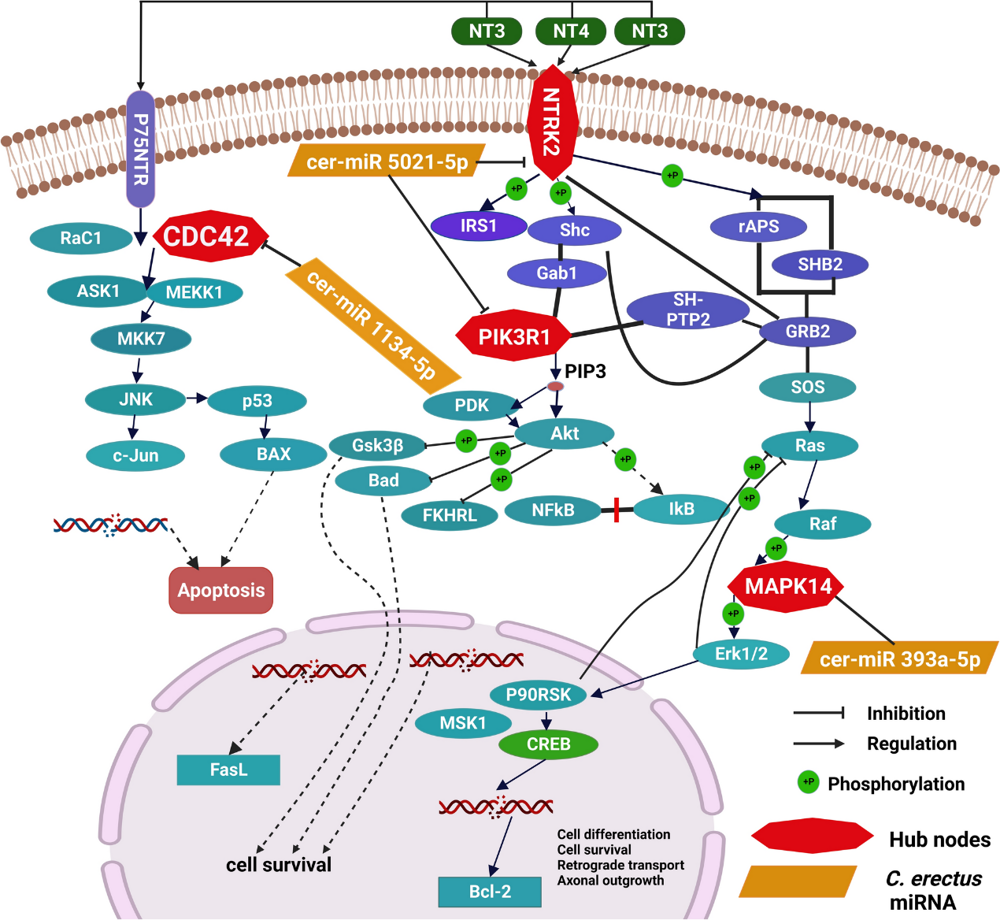
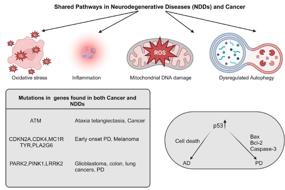
Cross-kingdom regulatory network of Conocarpus erectus miRNAs and human neurotrophic signaling genes. Nodes in yellow represent C. erectus miRNAs; red nodes indicate key hub genes (CDC42, PIK3R1, NTRK2, MAPK14). Edges denote predicted miRNA–mRNA interactions within the neurotrophic signaling pathway.
药用植物Conocarpus erectus是传统药物的重要来源, 来自印度Gujarat 大学的Poojaben Prajapati博士等人通过计算生物学方法,从C. erectus转录组中鉴定出30个新型miRNA,并预测其可靶向调控人类和拟南芥中的基因。分析发现,这些植物miRNA可能影响人类基因组稳定性、表观遗传调控及神经退行性相关通路,关键枢纽基因包括CDC42、MAPK14、PIK3R1等。分子动力学模拟进一步证实了cer-miR1134-5p与人类CDC42转录本之间可形成稳定复合物。该研究首次揭示了C. erectus miRNA作为跨物种表观遗传调控因子的潜力,为理解植物miRNA在维持基因组稳定性和干预神经退行性疾病中的作用提供了新视角,也为开发基于植物miRNA的RNA疗法奠定了理论基础。
全文链接: https://link.springer.com/article/10.1007/s42764-025-00167-7
5. Integrated analysis of bulk transcriptome and single-cell RNA sequencing data reveal RNA modification-related biomarkers in intracerebral hemorrhage | Shanshan Dong & Enli Luo
Intracerebral hemorrhage (ICH) is a stroke subtype with high mortality and disability rates, but its molecular mechanisms remain incompletely understood—particularly the role of RNA modifications. By integrating bulk transcriptome and single-cell RNA-sequencing data, Professor Enli Luo and colleagues at South China Hospital of Shenzhen University systematically identified and validated RNA modification–related biomarkers for ICH. They found that Ybx1 and Igf2bp2 are significantly upregulated in ICH samples and enriched in neuronal signaling and immune-regulation pathways. Further analysis demonstrated their specific expression in key immune cells, including monocytes and microglia, and predicted potential therapeutic agents such as 3-butylidenephthalide and lithium chloride. This study offers new insights into ICH molecular mechanisms and lays the groundwork for early diagnostic biomarkers and targeted therapies with strong clinical-translation potential.
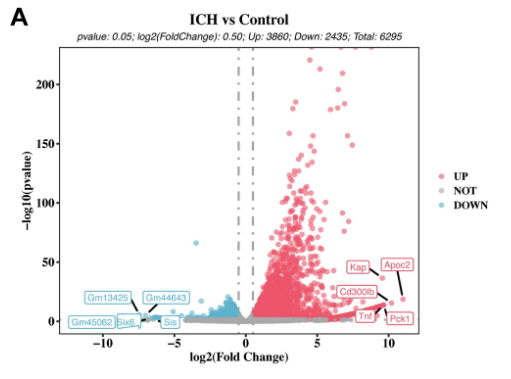
Volcano plot of differentally expressed genes between ICH and control samples. Each point represents a gene’s log₂(fold change) versus –log₁₀(p-value). Genes upregulated in ICH (n=3,860; log₂FC > 0.5, p < 0.05) are shown in red, downregulated genes (n=2,435; log₂FC < –0.5, p < 0.05) in blue, and non-significant genes in gray. Selected key DEGs are labeled..
脑出血(ICH)是一种高死亡率、高致残率的卒中亚型,其分子机制尚不完全清楚,尤其是RNA修饰在其中的作用仍待探索。深圳大学华南附属医院的罗恩丽教授团队通过整合批量转录组与单细胞RNA测序数据,首次系统筛选并验证了与RNA修饰相关的ICH生物标志物,发现Ybx1 和 Igf2bp2 在ICH样本中显著上调,且富集于神经元信号传导与免疫调控通路。进一步分析揭示了它们在单核细胞和小胶质细胞等关键免疫细胞中的特异性表达,并预测了3-丁烯基苯酞、氯化锂等潜在治疗药物。该研究不仅为理解ICH的分子机制提供了新视角,还为开发早期诊断标志物和靶向治疗策略奠定了基础,具有重要的临床转化潜力。

Prof. Enli Luo
全文链接:https://link.springer.com/article/10.1007/s42764-025-00169-5
6. Histone H1 deamidation: new insight into chromatin relaxation and DNA damage repair | Zhe Wang, Yuping Chen & Jian Yuan
Wei-Guo Zhu and colleagues at Shenzhen University recently published a paper in Nature in which they revealed how linker histone H1 switches from promoting chromatin condensation to enabling relaxation during DNA damage repair. They showed that, following double-strand breaks (DSBs), CTPS1 catalyzes deamidation at asparagine residues 76 and 77 of H1 (H1N76/77). This modification triggers acetylation of the adjacent lysine 75 (H1K75), which reduces H1’s DNA-binding affinity and induces chromatin decompaction. The resulting relaxed chromatin facilitates recruitment of repair factors to damage sites and enhances repair efficiency. Here, Professor Jian Yuan and colleagues at Tongji University provide their commentary on this study, highlighting that these findings fill a critical gap in our understanding of H1’s role during the DNA damage response. They further suggest that targeting CTPS1-mediated deamidation of H1 may offer a promising new avenue for antitumor therapies, with significant implications for cancer treatment.
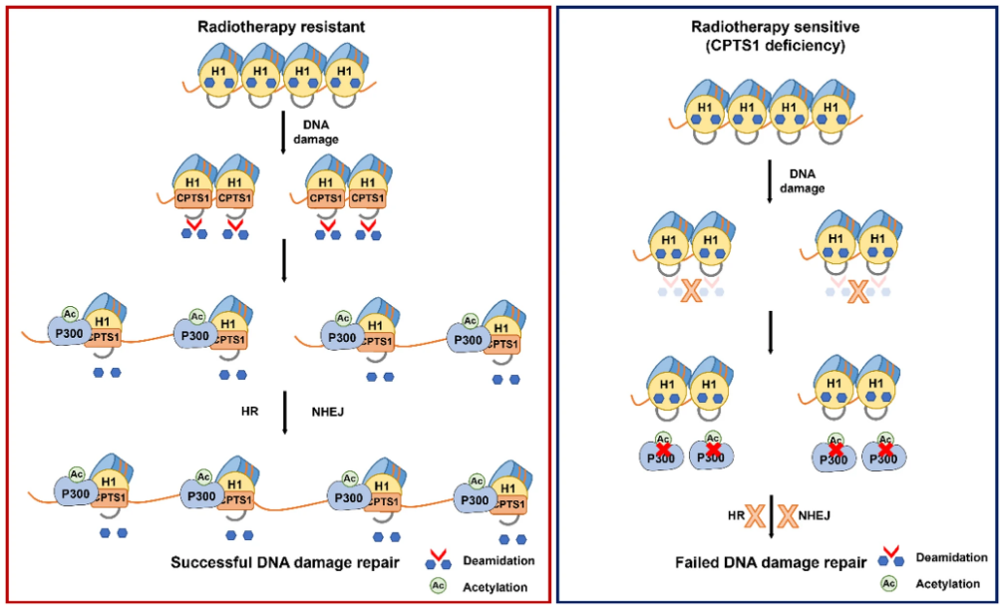
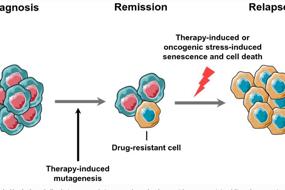
Model of CTPS1-mediated H1N76/77 deamidation and subsequent p300-dependent acetylation at K75 in DNA damage repair. Left (radiotherapy-resistant): After DNA double-strand breaks, CTPS1 deamidates H1 at N76/77, enabling p300 to acetylate K75. Acetylation reduces H1–DNA affinity, relaxes chromatin, and permits recruitment of homologous recombination (HR) and non-homologous end joining (NHEJ) repair factors, resulting in successful repair. Right (radiotherapy-sensitive, CTPS1 deficiency): Without CTPS1, H1 cannot be deamidated or acetylated, chromatin remains compacted, repair factors fail to access damage sites, and DNA repair is unsuccessful.
在DNA损伤修复时,组蛋白H1通过什么分子机制从促进染色质凝聚转变到染色质松弛,一直是未解之谜。近期,深圳大学朱卫国教授团队发现在DNA双链断裂(DSBs)后,连接子组蛋白H1(H1N76/77)第76和77位的天冬酰胺残基经历了CTPS1催化的脱酰胺作用,引发了一个级联反应,在相邻的赖氨酸75(H1K75)处诱导乙酰化,导致H1-DNA结合亲和力降低,进而导致染色质反作用。染色质的这种松弛促进了修复因子向DNA损伤位点的募集,并提高了修复效率,相关工作发表在Nature期刊。对此,同济大学的袁健教授进行点评,指出这项研究填补了关于接头组蛋白H1如何在DDR期间从促进染色质凝聚转变为使染色质松弛的关键知识空白,也提示CTPS1和组蛋白H1的脱酰胺作用可以作为抗肿瘤的有效靶点,为抗癌治疗提供参考。

Prof. Jian Yuan
全文链接: https://link.springer.com/article/10.1007/s42764-025-00161-z
7.Targeting ATM kinase: a promising strategy to disrupt ecDNA maintenance in cancer | Zhuoyang Zhao & Shunichi Takeda
Extrachromosomal DNA (ecDNA) is frequently observed in various cancers, but the mechanisms underlying its stable maintenance in cancer cells remain unclear. Professor Haiyun Gan and colleagues at the Shenzhen Institutes of Advanced Technology, Chinese Academy of Sciences, recently reported in Science journal that DNA topoisomerases often introduce double-strand breaks in ecDNA, and that an ATM kinase–mediated alternative non-homologous end joining repair pathway can recircularize the broken ecDNA—thereby preventing its degradation and maintaining its copy number. Here, Professors Shunichi Takeda and Zhuoyang Zhao provide their commentary on this work, noting that the study not only clarifies the repair mechanism enabling ecDNA’s stable survival in cancer cells but also identifies ATM kinase as a promising therapeutic target for ecDNA-positive tumors. Their insights lay a theoretical foundation for developing new cancer treatments aimed at disrupting ecDNA maintenance.
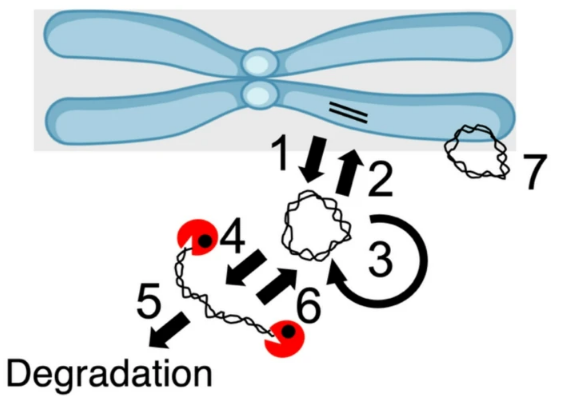
Model of ecDNA maintenance in cancer cells: Genomic DNA fragments are excised to form extrachromosomal DNA (ecDNA) (1), which can reintegrate into chromosomes as homogeneously staining regions (2). ecDNA is then amplified by the host replication machinery (3). Endonucleases and topoisomerases introduce double-strand breaks in ecDNA (4), leading to linearization and potential degradation by exonucleases (red) (5). An ATM kinase–mediated alternative non-homologous end joining repair pathway recircularizes the broken ecDNA (6), and tethering of ecDNA to chromosomal DNA during mitosis ensures its proper segregation and inheritance by daughter cells (7).
染色体外DNA(ecDNA)在多种癌症中高频出现,但其在癌细胞中稳定维持的机制尚不明确。近期,中科院深圳先进技术研究院甘海云教授团队在Science期刊报道发现DNA拓扑异构酶常在ecDNA上引入双链断裂,而ATM激酶介导的替代性非同源末端连接修复途径可重新环化断裂的ecDNA,从而防止其降解、维持其拷贝数。对此,深圳大学Shunichi Takeda教授进行点评,指出该工作不仅阐明了ecDNA在癌细胞中得以稳定存活的修复机制,更重要的是确立了ATM激酶作为ecDNA阳性肿瘤的一个潜在治疗靶点,为开发通过破坏ecDNA维持来治疗癌症的新策略提供了理论依据。

Prof. Shunichi Takeda
全文链接: https://link.springer.com/article/10.1007/s42764-025-00165-9
8.Success of electrochemical biosensors developed for the determination of amyloid-beta 42 (Aβ42) protein in the diagnosis of Alzheimer’s disease | Oguz Özbek, Isa Mert Eski & Caglar Berkel
Alzheimer’s disease is a neurodegenerative disorder for which amyloid-beta (Aβ42) is a key diagnostic biomarker. Here, Professor Oguz Özbek and colleagues at Tokat Gaziosmanpaşa University (Turkey) reviewed the data on various electrochemical biosensors designed to detect Aβ42. These sensors employ modified electrodes—such as carbon nanotubes, molecularly imprinted polymers, and other nanomaterials—to achieve highly sensitive, rapid, and cost-effective detection of Aβ42 in clinical samples (e.g., serum and cerebrospinal fluid). This review highlights how multiple studies have demonstrated the excellent detection limits, strong anti-interference capability, and robust clinical applicability of these sensors. The review concludes that electrochemical biosensors represent an economical and efficient approach for early Alzheimer’s screening and diagnosis, with the potential to enable large-scale population screening, ongoing disease monitoring, and ultimately reduce healthcare costs through earlier intervention.
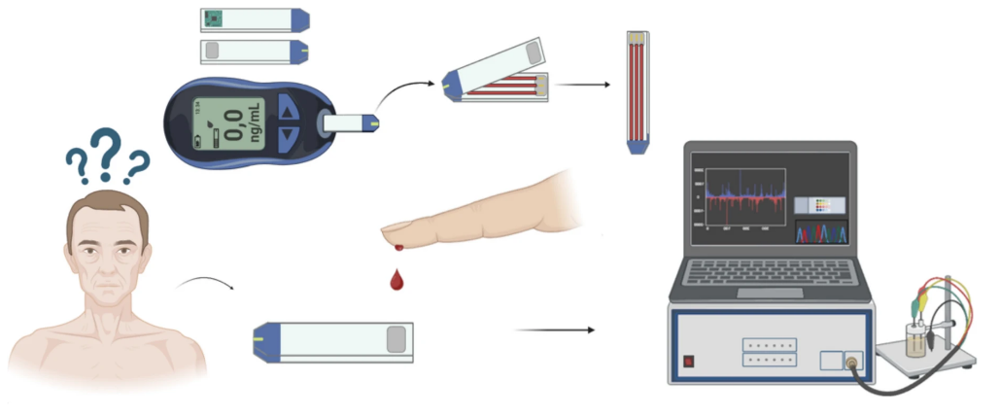
Schematic of an electrochemical biosensor for detecting Aβ₄₂ in blood: A drop of patient blood is applied to a modified electrode (e.g., carbon nanotube or molecularly imprinted polymer), which is then connected to a reader that measures electrical signals proportional to Aβ₄₂ concentration, enabling rapid, sensitive, and cost-effective Alzheimer’s disease screening and monitoring.
阿尔茨海默病是一种神经退行性疾病,其早期诊断困难,而淀粉样蛋白Aβ42是关键的诊断生物标志物。土耳其Tokat Gaziosmanpaşa大学的Oguz Özbek教授团队评论了多种用于检测Aβ42的电化学生物传感器,这些传感器采用碳纳米管、分子印迹聚合物、纳米材料等不同修饰电极,在血清、脑脊液等临床样本中实现了高灵敏、快速且低成本的Aβ42检测。多项研究表明,此类传感器具备优异的检测限、抗干扰能力和临床适用性,指出电化学生物传感器为阿尔茨海默病的早期筛查和诊断提供了一种经济、高效的替代方案,有望推动人群筛查和疾病监测,对降低医疗成本、实现早期干预具有重要价值。

Prof. Oguz Özbek
全文链接: https://link.springer.com/article/10.1007/s42764-025-00165-9
9.Genetic independence of the trauma lethal triad: endelian randomization evidence against germline causality in acidosis, hypothermia, and coagulopathy | Ren Jing, Yanli Hou, Nan Wu & Shijian Yi
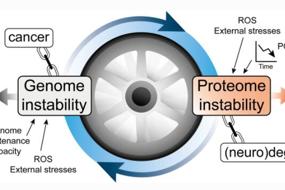
The “lethal triad” of acidosis, hypothermia, and coagulopathy in trauma synergistically increases mortality, yet their intrinsic genetic relationships remain unclear. Using bidirectional Mendelian randomization with large-scale, European-ancestry GWAS data, Professor Shijian Yi and colleagues at South China Hospital, Shenzhen University, found no evidence of genetic causality among acidosis, hypothermia, and coagulopathy. Acidosis showed no significant genetic effect on coagulopathy (OR = 0.987) or disseminated intravascular coagulation (OR = 0.983), nor was there any genetic association between hypothermia and coagulopathy (OR = 0.984). This genetic independence contrasts sharply with their clinical synergy, indicating that trauma-induced coagulopathy is driven primarily by environmental factors—such as endothelial glycocalyx shedding and protein C activation—rather than germline variants. These findings redirect therapeutic focus toward modifiable extrinsic factors, like hemorrhage control and balanced resuscitation, and provide a theoretical basis for precise treatments targeting environmentally mediated pathways.
创伤中的酸中毒、低体温和凝血病构成的“致命三联征”会协同增加死亡率,但其内在遗传关联尚不明确。深圳大学华南附属医院的易石坚教授团队通过双向孟德尔随机化分析,利用大规模欧洲人群全基因组关联研究数据,证明酸中毒、低体温与凝血病之间不存在遗传因果关系。研究发现,酸中毒对凝血病(OR=0.987)和弥散性血管内凝血(OR=0.983)均无显著遗传效应,低体温与凝血病同样无遗传关联(OR=0.984)。这种遗传独立性与临床观察到的协同效应形成鲜明对比。揭示了创伤凝血病的发生机制主要源于环境驱动因素(如内皮糖萼脱落、蛋白C激活),而非胚系遗传变异。这一发现将治疗靶点重新导向可干预的外在因素(如出血控制、平衡复苏),并为开发针对环境介导路径的精准治疗策略提供了理论依据。
Prof. Shijian Yi
全文链接:https://link.springer.com/article/10.1007/s42764-025-00166-8
用户登录
还没有账号?
立即注册